Articles
Every entry is sourced, dated, and written for a careful non-specialist. Start with the overview; go as deep as you like.
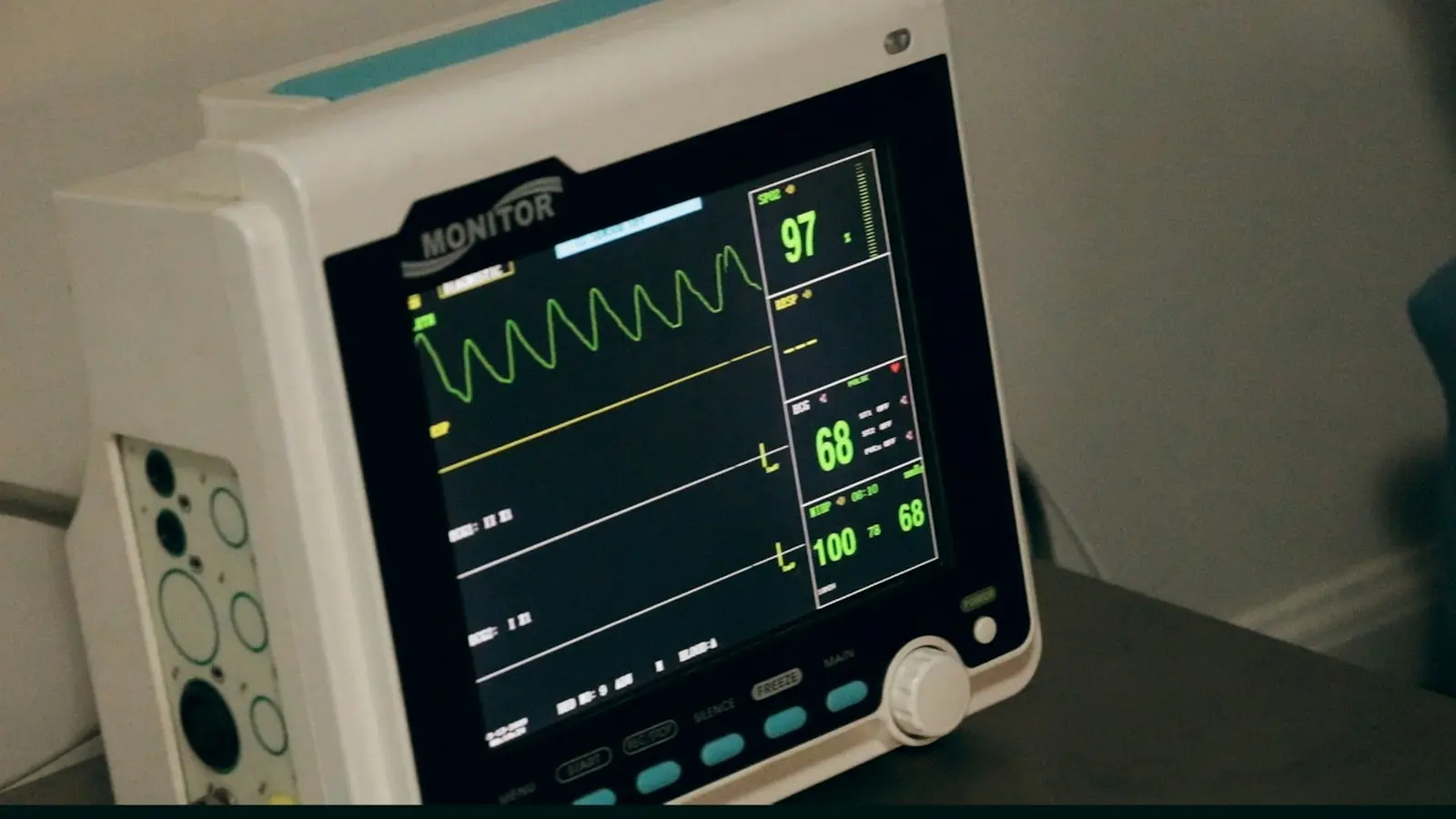
What does ibogaine do to opioid withdrawal?
In three studies of people dependent on opioids, withdrawal scores fell sharply within about three days of a single supervised treatment. The relief came with a serious risk to the heart's rhythm, which is why screening and monitoring shape every part of treatment.
Read entry →
Every major ibogaine study, summarized
The human evidence on ibogaine, study by study: opioid withdrawal in St Kitts, Mexico and New Zealand, the 2024 Stanford veterans study, heart monitoring data, and the trials now completed. Each entry names who was treated and what changed.
Read entry →
What does the evidence on ibogaine show in 2026?
Human studies of ibogaine show a fast drop in opioid withdrawal and large improvements in veterans with brain injuries. This entry sets out each finding, the group it comes from, and the cardiac risk that shapes how treatment is given.
Read entry →
Ibogaine vs. Suboxone and methadone: how do the approaches differ?
Methadone and buprenorphine are daily medicines with decades of trial evidence and lower death rates while people stay on them. Ibogaine is a short supervised treatment with a strong but uncontrolled signal for withdrawal, and the two suit different people.
Read entry →
The Stanford MISTIC study: what did ibogaine do for veterans with brain injury?
In the 2024 Stanford study, veterans with brain injuries took ibogaine with magnesium, and their disability, PTSD, depression and anxiety scores fell sharply within a month. This entry sets out what was measured, how large the changes were, and what a next trial would need to confirm them.
Read entry →
The Pharmacology of Ibogaine: Targets, Kinetics, Metabolism
Ibogaine binds many brain targets loosely, and an enzyme whose activity varies from person to person turns it into a longer-lasting compound, noribogaine. That variation shapes dosing, timing and the heart risk.
Read entry →
How does ibogaine interrupt opioid withdrawal?
Ibogaine eases opioid withdrawal without replacing the opioid, and no single target explains it. The evidence points to several actions at once, carried forward by its long-lasting metabolite, noribogaine.
Read entry →
Noribogaine: how long does ibogaine's metabolite last?
The body turns ibogaine into noribogaine, which stays in the blood for days rather than hours. That longer timeline may explain why ibogaine's effects outlast the drug, and it is why heart monitoring continues past the day of dosing.
Read entry →
How did ibogaine science develop from 1901 to 2026?
Ibogaine has been studied for more than a century, from crystals drawn from an African root in 1901 to a Stanford study in Nature Medicine in 2024. Its scientific career stopped and restarted several times, and each period left something later research builds on.
Read entry →
What must rigorous ibogaine trials answer?
Funding for ibogaine trials now exists, and the design questions are clear. Five questions decide whether a trial program can settle what observational studies suggest, and earlier studies already supply working templates for each.
Read entry →
Tabernanthalog and other ibogaine analogs: can they work without the long experience?
Chemists are building relatives of ibogaine that aim to keep its effect on drug use while dropping the long visionary state and the strain on the heart. Most of the evidence so far comes from animals, with early human safety data for noribogaine and 18-MC.
Read entry →
What is ibogaine?
A plain account of the molecule: its source plant, its chemistry, how it was isolated in 1901, what it is given for, and how strong the evidence behind those uses actually is.
Read entry →Wondering if ibogaine fits your situation?
Six questions, two minutes. A straight answer, and we'll tell you honestly if it's no.